You do
- Provide platform access at onboarding
- Attend the monthly strategy call
- Review and approve each month's priorities
- Approve content before it is published
- Make decisions about priorities
The process
No discovery calls before you know what we do. No proposals without data. Here is exactly how the engagement works, step by step.
The sequence
Free digital audit
You submit your website. We run a full analysis: site health score, speed and stability, Google Search Console data, technical issues, and a review of your active digital channels. Within a few days you receive a detailed report. No obligation, no sales pitch in the document. The audit stands on its own.
What we cover: site speed and stability, technical SEO issues, keyword visibility, Google Business Profile status (if applicable), and an initial view of which modules would move the needle most.
Discovery call
We walk through the audit findings together. You tell us what is happening inside the business: growth targets, active channels, pain points. We recommend Core plus whichever modules fit what you actually need, based on what we saw and what you told us.
Typical call: 30 minutes. Output: a clear recommendation for Core plus any relevant modules, and a defined strategy for your site's performance.
Proposal and agreement
You receive a written proposal covering what is included, what is not, and how the partnership works. No lock-in contracts. No annual commitment forced upfront. We ask for a three-month minimum at onboarding to give the system time to show results. After that, monthly.
Your first month includes onboarding: configuring integrations, running baseline audits, establishing your data environment, and actioning the quick fixes identified in the audit. From month two, the partnership is fully operational, starting with your first monthly report and strategy call.
Onboarding
We request access credentials for your platforms (Google Analytics, Search Console, your CMS, and any module-specific tools). We configure integrations, set up your monitoring environment, and run your first baseline audit. You receive an access setup document so you know exactly what we have and how to revoke it.
You do: provide credentials, review and sign access document, attend a 30-minute onboarding call. We do: everything else.
Ongoing partnership
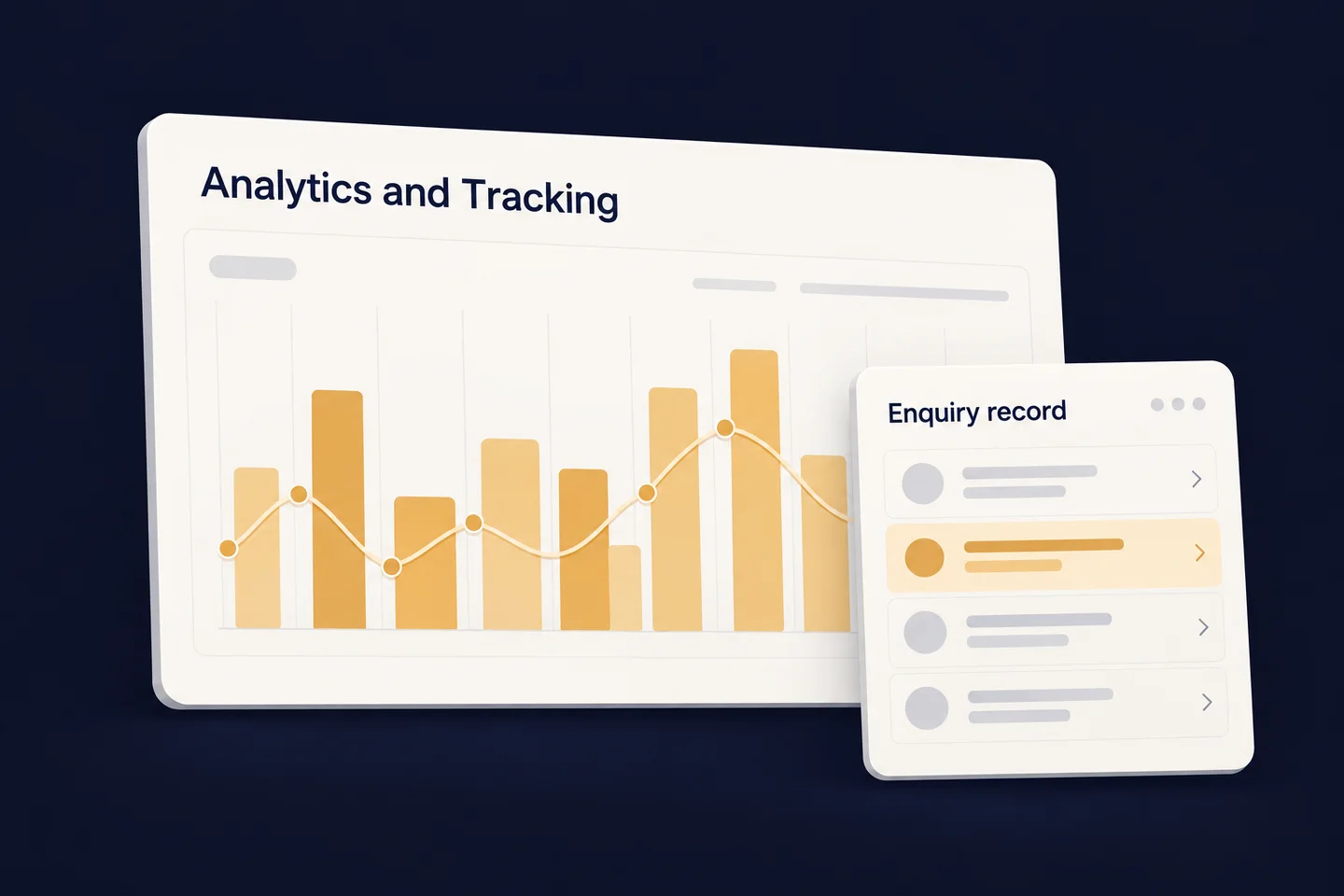
From month one the system runs continuously. Site health is monitored. Analytics data pulls daily. Alerts fire when something changes. At the end of each month you receive a performance report, reviewed before it reaches you. Then a strategy call to agree on the next 30 days.
What a normal month looks like: monitoring running in the background, quick fixes actioned, monthly report delivered, strategy call, and the month's priorities worked through.
The system runs. You stay informed. We act.
— Pleros operating principle
Our approach
We work inside the environment you already have. If you have a managed hosting provider, we become the go-between. If you already have an advertising agency, we provide the data they need to do their job well. You bring the team, we plug in and make it work better together.
Every partnership is led by one person who knows your business inside and out, and who builds your online strategy with you. That does not change as Pleros grows.
Beyond the day-to-day, we keep an eye on the wider web and flag automation opportunities and AI integrations that could move your business forward. Staying at the cutting edge is part of the partnership.
Every partnership is led by one person who knows your business inside and out, and who builds your online strategy with you.
— Paul Mullins, Founder
Who does what
You do
Pleros does
The system does
Questions
It is a score out of 100 that covers five areas: site speed and stability (40 points), technical SEO (20), trust and content quality signals (20), structured data (10), and local search presence (10). It is recalculated monthly so you can see the direction your site is moving, not just a snapshot.
It covers the full range of hands-on technical work. That includes CMS changes, tag and tracking setup (Google Tag Manager), hosting and security configuration (Cloudflare), structured data, title tags, redirect rules, page speed work, and code-level fixes to your site's CSS, JavaScript and theme. For larger technical builds, we can work alongside your existing development team.
We request read-only access to Google Analytics and Search Console, and editor-level access to your CMS so we can action the monthly priorities. For module-specific work, when those modules are available, we request access to the relevant platform (for example Google Merchant Centre, Klaviyo or Mailchimp). All access is documented, and you can revoke it at any time. Credentials are stored securely and never shared outside Pleros.
The alert system picks it up first. You get a notification with context: what happened, when, what the likely cause is, and what we recommend. For site downtime we follow a set process. We diagnose, resolve what we can directly, escalate to your hosting provider if needed, and log the incident. You are never the last to know when something affects your site.
Month one is a baseline. We are establishing what normal looks like for your site. SEO results from content and optimisation start to compound from month two onward. Technical fixes often show faster. We track everything from day one so the 90-day review has real data behind it. We do not make promises about timelines. We show you what is moving and what is not.
Core and the SEO module are available now. Other modules (Ecommerce, Paid Ads, CRM/Email) are planned and can be registered for interest at any time. When a module goes live it can be added at any renewal point, and removing one requires 30 days' notice. We recommend starting with what fits your current needs rather than stacking on modules upfront.
Yes, and often this is where Core adds the most value. If another party is handling execution, Core gives you independent oversight. You can see whether what they are reporting is reflected in your actual data. It is not uncommon for agency reports and the real numbers to tell very different stories.
The audit is free. It takes five minutes to request. You get the results regardless of whether you proceed.